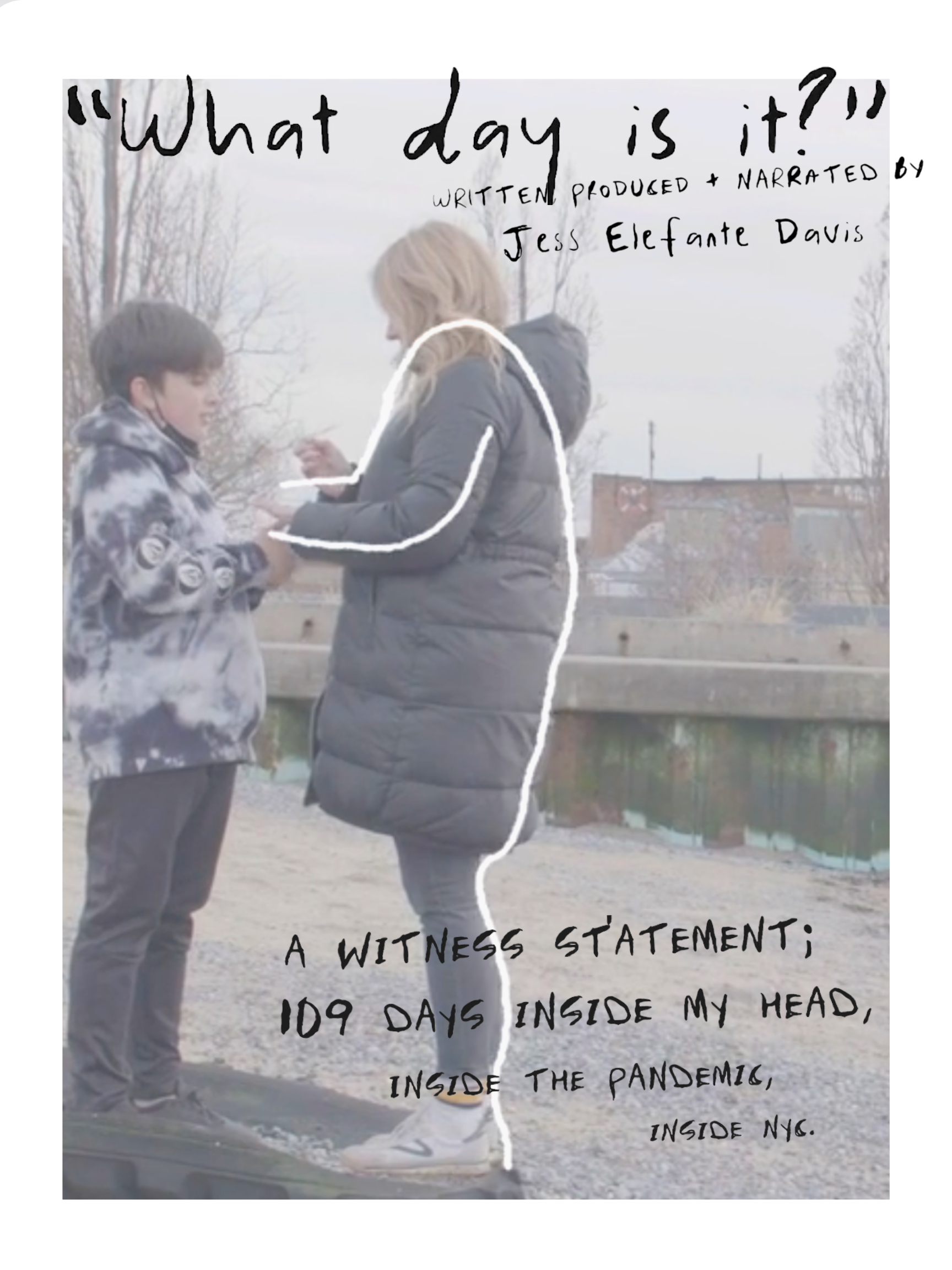
“What Day IS It?” film.
The film was an Official Selection at the Beverly Hills Film Festival and New York Shorts International Film Festival, a Semi-Finalist at Flickers' Rhode Island International Film Festival, and received an Honorable Mention at the Thomas Edison Film Festival. In 2024 the work was reimagined as an art installation and exhibited at Red Hook Open Studios at Hotwood Arts in Brooklyn.



Studies show the human brain learns to live with trauma by off-loading & rewriting memories.
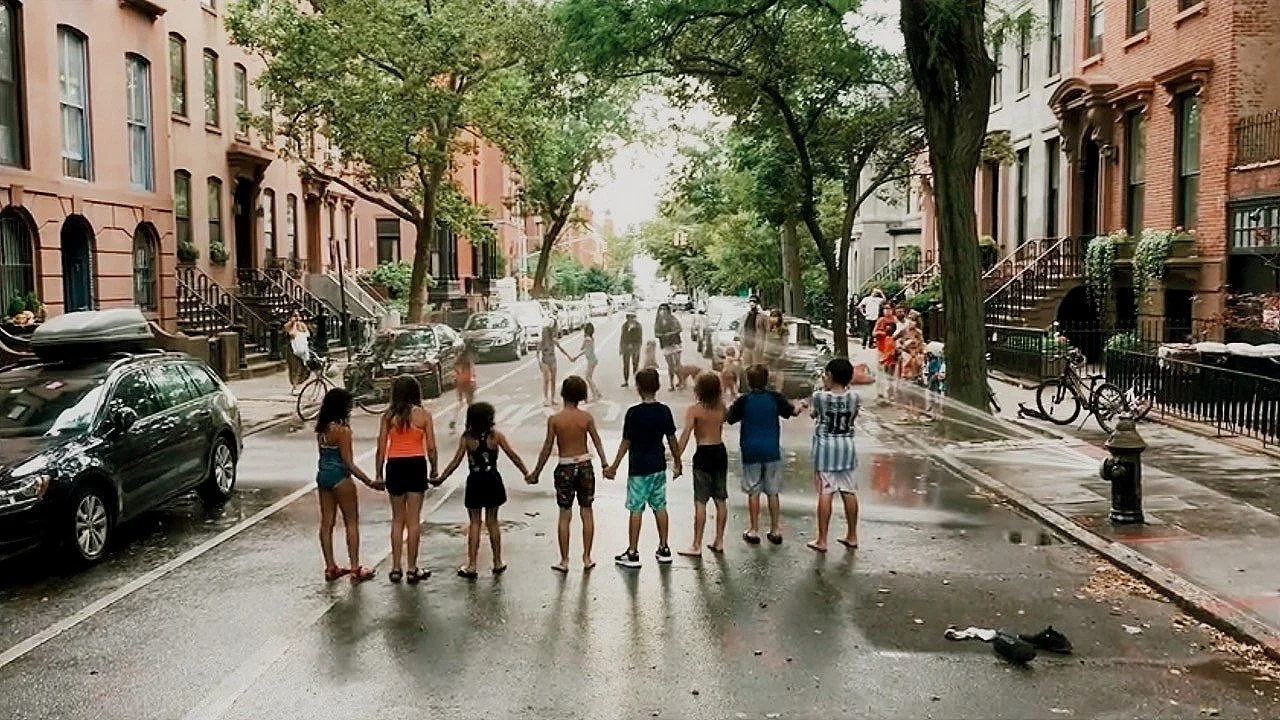
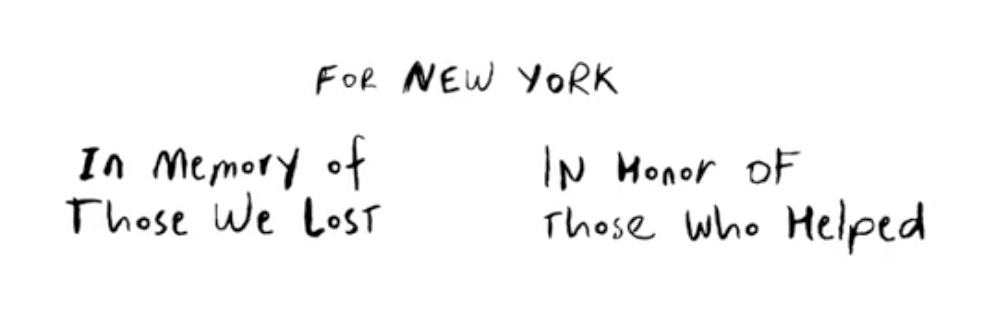
What Day Is It? offers my very human mother's perspective on the ever-shifting emotional and mental states of living in NYC during Phase 1 of lockdown. Is it also (very much so) a love letter to New York City.
I was called to create a preservation of record both for what transpired so quickly and how my family reacted to and felt about it. The 18-minute documentary compiles personal journal entries and home movie footage to capture the reality of the moment and its effects on both my family, myself, and the city I call home. Science has proven that our brains misremember things to fill in blanks or help with the trauma. It’s now been three years since the pandemic began, and so many people are already forgetting. Our collective memory is glossing over the realities, already reworking New York’s survival story, and already misremembering the details.
This is my personal witness statement.
My live journal of an ordinary family in unordinary times. I don’t want to forget. The details are everything.
All Rights Reserved.
For distribution, screenings, or questions:
Festival run is complete.
Please do not reach out with invitations to submit.
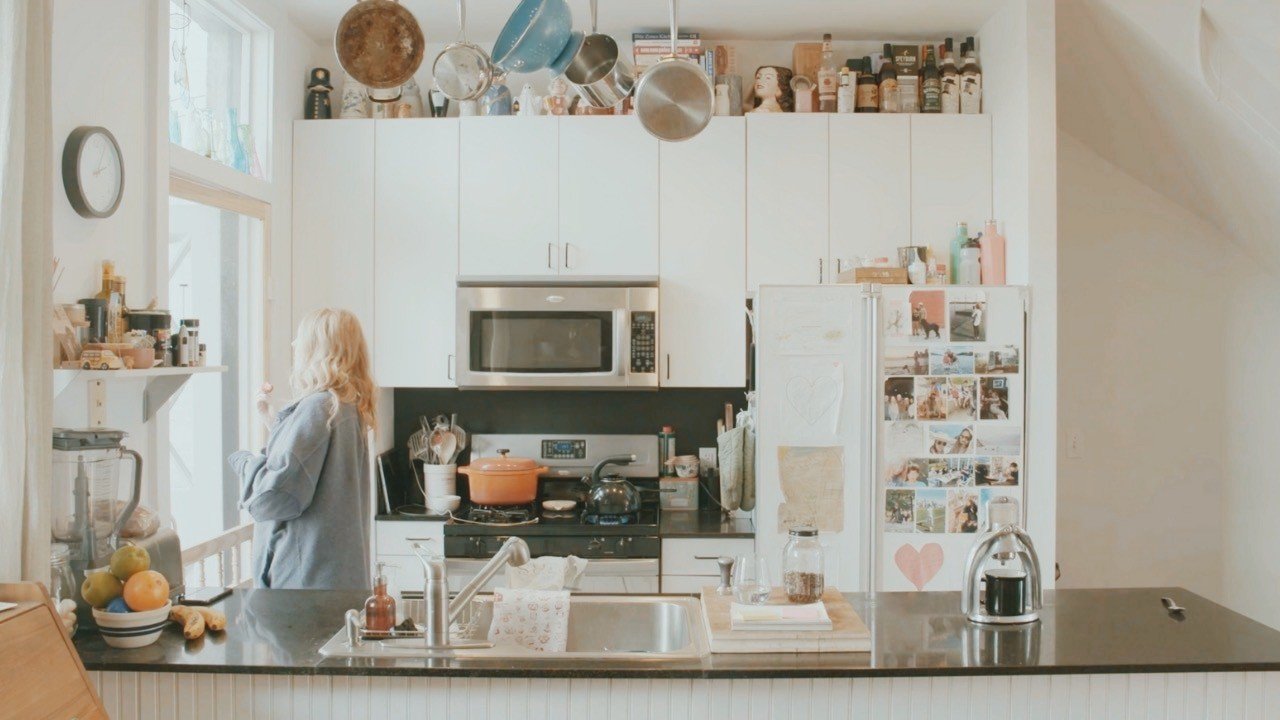
Stills from "What Day Is It" film
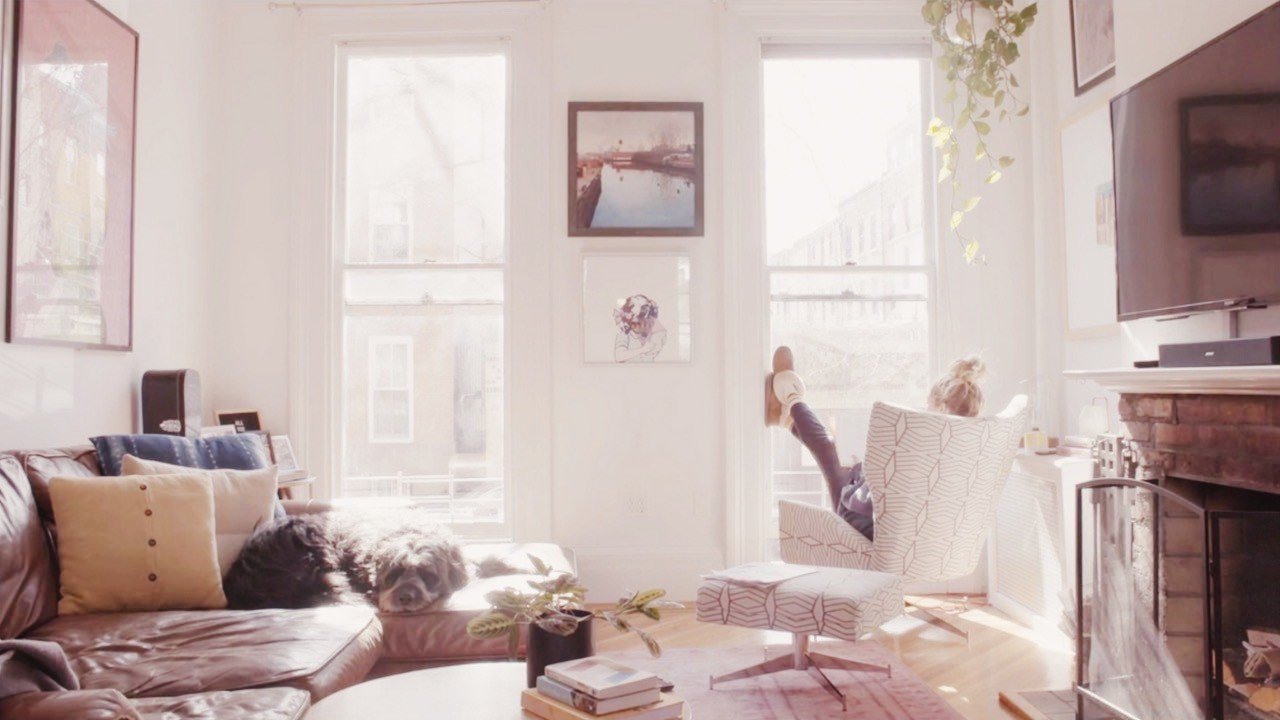
Stills from "What Day Is It" film
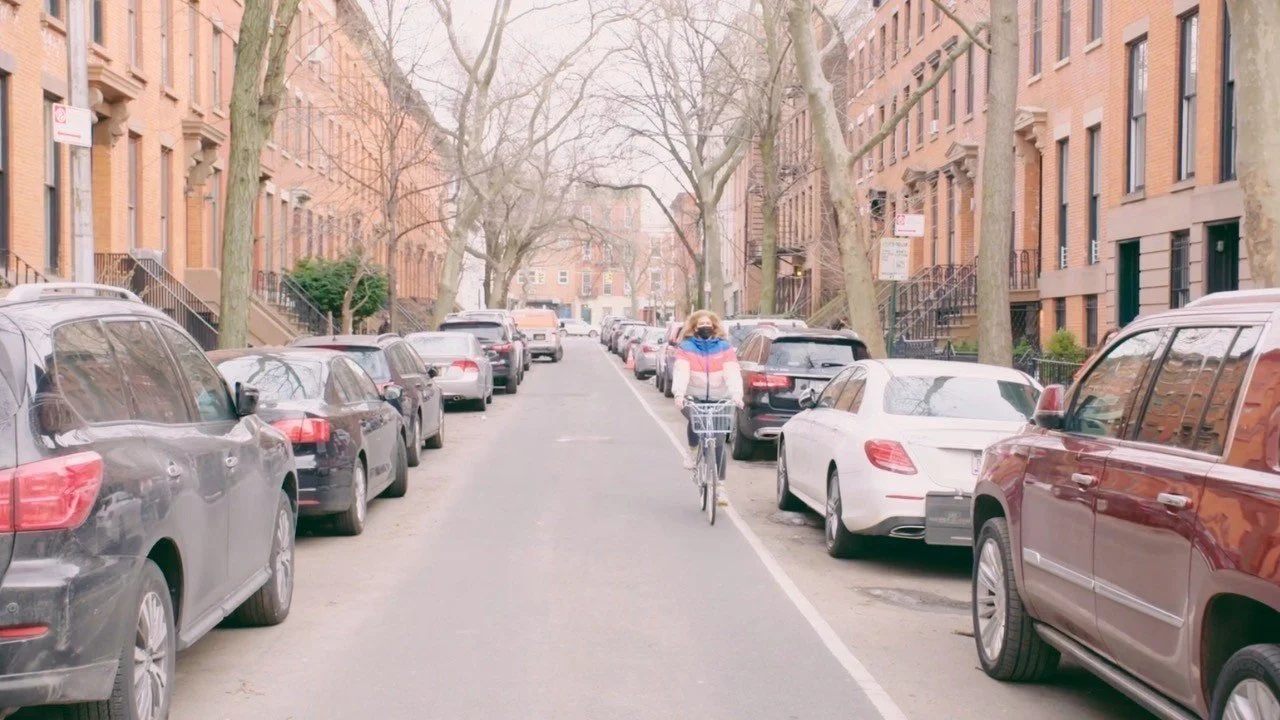
Stills from "What Day Is It" film
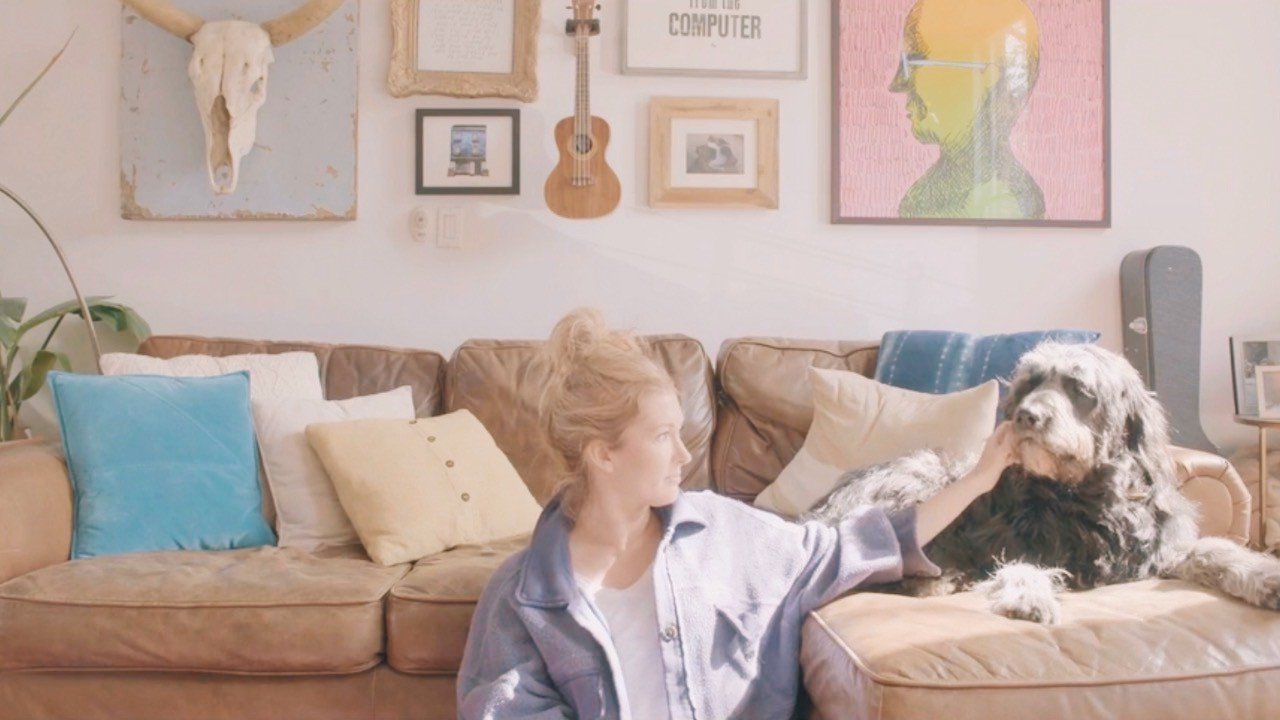
Stills from "What Day Is It" film
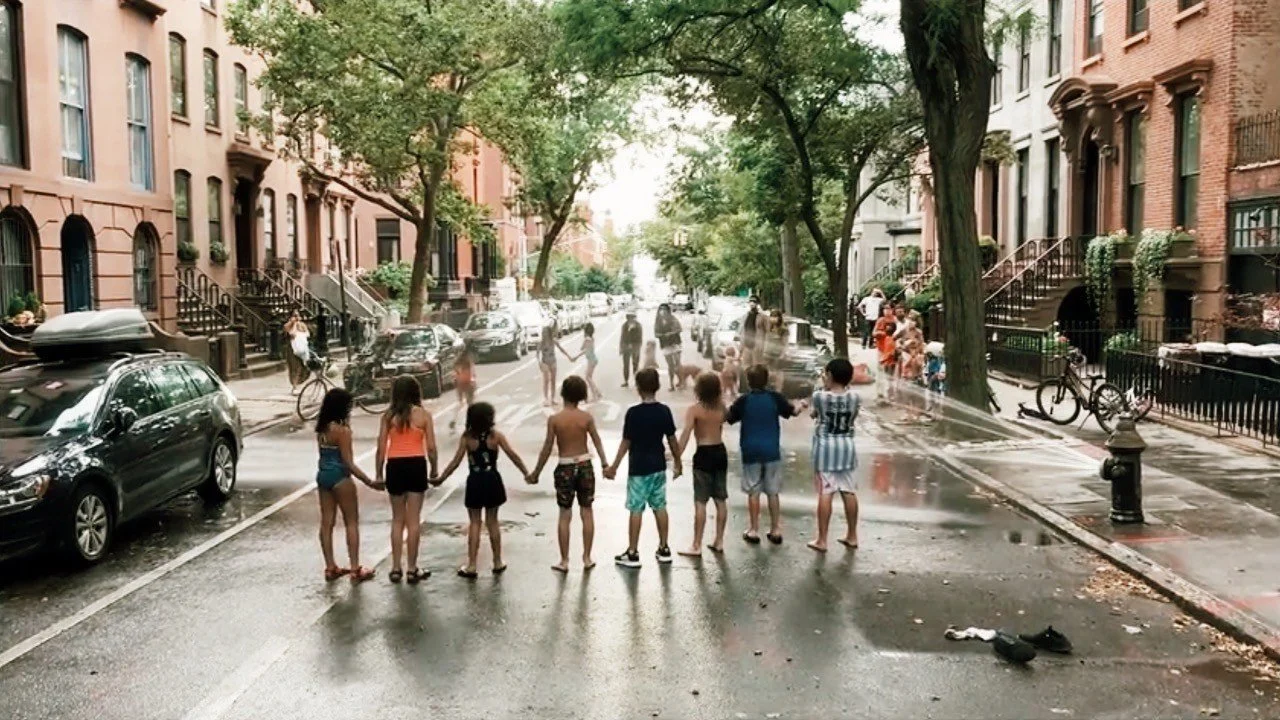
Stills from "What Day Is It" film